

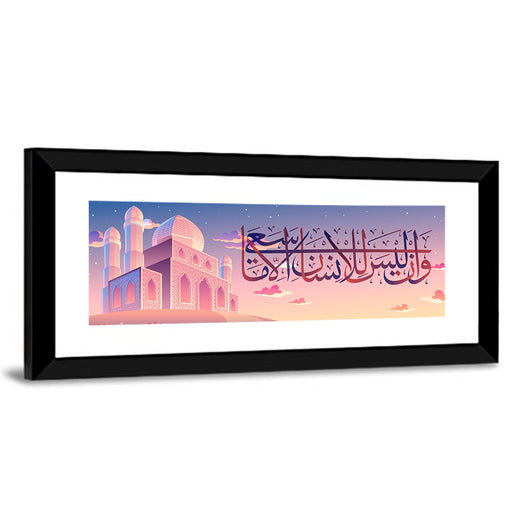


Calming art is art with soft color, open space and a quiet subject, such as water, mist, clouds or a forest path. Research supports making art as a stress reducer, and a small hospital study linked natural views to better recovery. Looking at calming art is not therapy, but it can make a room easier to unwind in.
- The American Art Therapy Association defines art therapy as a mental health profession practiced within a psychotherapeutic relationship, led by trained clinicians.
- In a 2016 Drexel University study of 39 adults, cortisol levels fell in 75% of participants after 45 minutes of making art, whatever their skill level.
- That study had no control group, so it shows an association, not proof of treatment.
- Roger Ulrich's 1984 Science study of 23 matched pairs found patients with a tree view had shorter hospital stays than those facing a brick wall.
- Calming art works best at about two thirds to three quarters the width of the furniture below it, hung with its center 57 to 60 inches from the floor.
What Is Calming Art?
Calming art is art with low contrast, soft color and a subject that gives the eye somewhere to rest. Common choices are lakes, seas, mist, clouds, forest paths and meadows. A calm scene usually has a clear horizon, plenty of open space and a limited palette of two or three colors.
This is a design choice, not a medical one. The sections below separate what research shows from what is a matter of taste.

What Is Art Therapy, and Who Provides It?
Art therapy is a mental health profession in which a trained clinician uses art-making within a therapeutic relationship. The American Art Therapy Association defines it as a profession that enriches the lives of individuals, families and communities through active art-making, the creative process and applied psychological theory.
The association states that art therapists hold a master's degree or higher and that practicing art therapy requires specific training, certification or state licensure. Hanging a picture at home is not art therapy, and nothing here replaces care from a professional.
Watch out: Wall art is not a treatment. If you are struggling with anxiety, low mood or stress that will not lift, contact a doctor or a licensed therapist.
Does Making Art Reduce Stress?
One study suggests it can. In 2016, researchers Girija Kaimal, Kendra Ray and Juan Muniz at Drexel University measured cortisol, a stress-related hormone, in 39 healthy adults before and after 45 minutes of art-making. Levels fell in 75% of participants, and the result held whatever their prior art experience.
The authors note limits: a small sample and no control group. It is a promising result, not a final answer, and it concerns making art, not looking at it. Some readers also ask whether work made with AI tools counts as art at all, and our guide on whether AI art counts as real art weighs both sides.
Can Looking at Calming Art Help?
The evidence for viewing is thinner, but it points the same direction. In 1984, Roger Ulrich compared 23 matched pairs of surgical patients in a Pennsylvania hospital. Those whose window looked on a stand of trees had shorter postoperative stays, fewer negative nursing notes and used fewer strong painkillers than those facing a brick wall.
Ulrich studied a window view, not a painting, and the sample was small. It does suggest that natural scenes can matter to mood. The Nelson-Atkins Museum describes Monet's Water Lilies as renowned for their soothing, meditative qualities, which is why nature art fills so many bedrooms.

What Is the Most Relaxing Art?
Water, sky and trees are the safest relaxing subjects. They share quiet color and open composition. The table compares common subjects and the room each suits best.
| Subject | Why it feels calm | Best room | Shape to consider |
|---|---|---|---|
| Still lake | Flat horizon, mirrored sky | Bedroom | Panoramic over the bed |
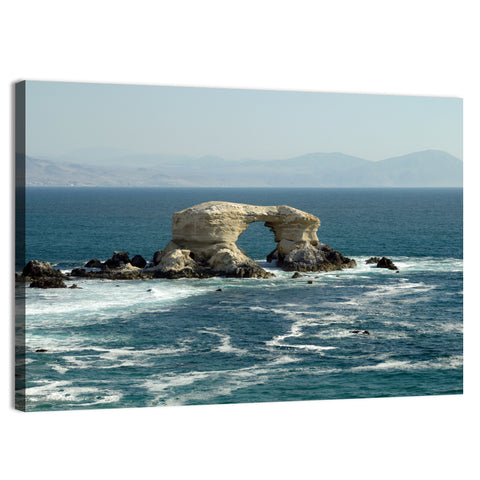
| Calm sea | Soft blue gradient, open sky | Living room | Landscape over the sofa |
| Clouds | Low contrast, nothing sharp | Bedroom or nursery | Square or landscape |
| Forest path | Green tones, a clear line of sight | Reading corner | Portrait or landscape |
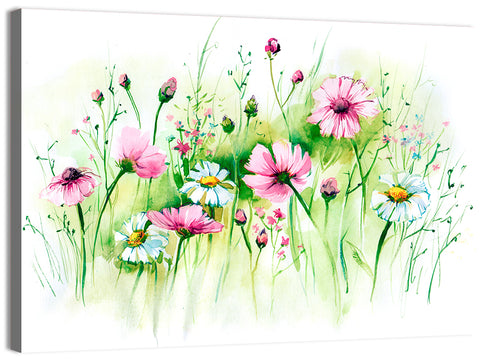
| Wildflower meadow | Gentle texture, pastel color | Hallway or office | Landscape |
| Soft abstract | Muted color fields, no subject | Office | Any shape |
Browse water wall art and lake wall art for the first rows of the table.
What Art Calms Anxiety?
No artwork treats anxiety, but quiet scenes can make a room feel less busy. Choose art without sharp contrast, crowded detail or dark, heavy shapes. A pale lake at dawn or a wide sky works better than a busy city scene when your aim is to unwind.
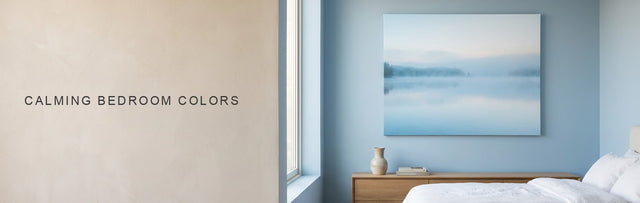
Pair it with calm wall color. Our guide to calming colors for bedroom walls explains which shades to choose, and the coastal bedroom guide shows blue and sand together.

Who Is a Famous Calm Painter?
Claude Monet is the name most often given. His Water Lilies series of the pond at Giverny is described by the Nelson-Atkins Museum as soothing and meditative. A museum print is not a requirement: you can get the same quiet from any soft water scene. Our nature wall art and cloud wall art use that restraint.

How Do You Hang Calming Art in Your Home?
Place it where you rest your eyes: above the bed, beside a reading chair or opposite your desk. Keep the surrounding wall plain so the picture has room. Size it to about two thirds to three quarters of the furniture width below it. For waiting rooms and exam rooms, medical office decor for clinics and hospitals adds size and color advice.
- Choose the spot you look at when you relax, not where there is just space.
- Measure the furniture width below it, in inches.
- Pick a calm piece in that range, in a soft color family.
- Hang the center 57 to 60 inches from the floor, or 8 to 12 inches over a headboard.
- Remove nearby clutter so the eye can reach the picture.
Take a reading chair and loveseat 64 inches wide. Two thirds to three quarters of 64 is 43 to 48 inches, so a 48x32 inch landscape canvas of a misty lake fits. Hang its bottom edge 8 inches above the loveseat back, which is 34 inches high, at 42 inches. The center then sits at 58 inches, inside the 57 to 60 inch guide.
Pro tip: Look at the piece in the evening, under the lamp you actually use. If the colors still feel quiet then, you chose well.

Every piece is printed to order and ships free across the US. Choose a scene you could look at every day.
Water wall art Forest wall art Lake wall art Abstract wall art
Quick answers
Common Questions
What is the most relaxing art?
Art with water, sky or trees is the most relaxing for most people. Still lakes, calm seas, clouds and forest paths share soft color, a clear horizon and little visual noise. Taste still decides, so choose a scene you personally find restful and view it in the light of the room.
What art calms anxiety?
No art treats anxiety, but quiet scenes can make a room feel less busy. Choose low contrast, soft color and open space, such as a pale lake or a wide sky. Making art has stronger evidence: a 2016 Drexel study found cortisol fell in 75% of 39 adults. See a professional for ongoing anxiety.
Who is a famous calm painter?
Claude Monet is the painter most often named for calm. The Nelson-Atkins Museum describes his Water Lilies as renowned for their soothing, meditative qualities. His series of the Giverny pond focuses on light and reflection, not drama, and prints of similar soft water scenes carry the same quiet mood.
What are some calming painting ideas?
Try a still lake at dawn, a calm sea with a low horizon, soft clouds, a forest path or a wildflower meadow in pastel color. Keep the palette to two or three colors and leave open space in the composition. If you paint yourself, a wet watercolor wash is a simple, forgiving place to start.
Does art therapy require artistic skill?
No. In the 2016 Drexel study, cortisol results did not depend on prior experience with art. The American Art Therapy Association describes art therapy as centered on the creative process within a therapeutic relationship, led by a trained clinician. A licensed art therapist can tell you whether it suits your situation.