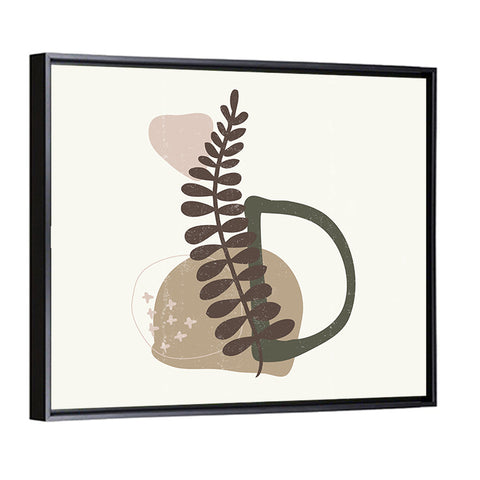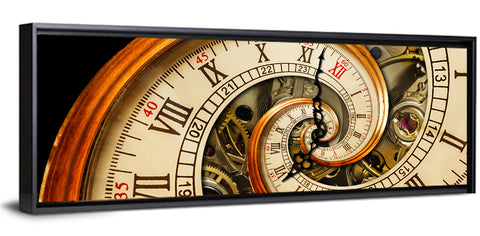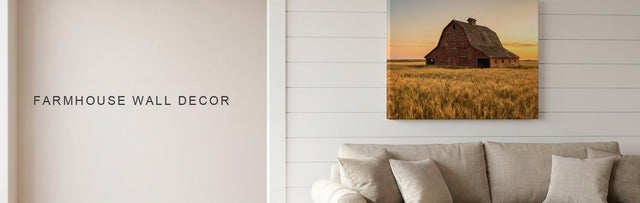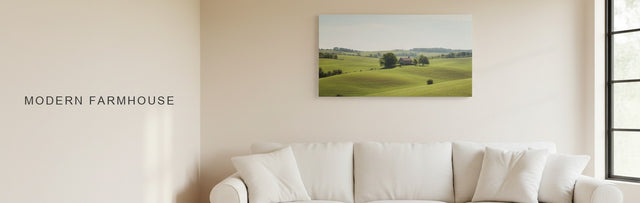




Vintage wall art is art with the look of an earlier era: sepia landscapes, antique maps, botanical studies, old advertising and retro prints from the 1950s to 1970s. For a farmhouse or traditional room, choose muted colors like sage, cream, rust and faded blue, hang it at eye level and mix one large piece with smaller ones.
- Vintage usually means 20 to 99 years old and antique 100 years or more, but vintage wall art as a decor term covers any piece with an aged look.
- A print of a vintage image is a reproduction, not an original, and should be sold as one.
- Sepia landscapes, antique maps, botanicals and retro posters are the four types that suit a vintage farmhouse room best.
- Hang the center of a piece 57 to 60 inches from the floor, or 6 to 10 inches above a sideboard or sofa.
- Pantone's 2026 Color of the Year, Cloud Dancer, is a warm white that sits well beside the faded tones of vintage art.
What Counts as Vintage Wall Art?
Vintage wall art is art that looks like it belongs to an earlier period, whether it is an original or a print of one. Traders usually call an item vintage when it is at least 20 years old and antique at 100 years, but in home decor the phrase also covers new prints of old subjects: a sepia train, a faded travel poster, a hand-drawn map.
That matters when you shop. A print of a vintage image is a reproduction, not an original, and that is fine as long as it is described that way. Original vintage posters are collectors' items, while a reproduction on canvas or paper is decor you can hang in a kitchen.

Which Types of Vintage Wall Art Suit a Farmhouse Room?
Four types fit best: pastoral landscapes, antique maps, botanical studies and retro posters. Each ties to farmhouse life, whether it is orchards and windmills, travel and land, kitchen gardens or 1950s advertising. Choose the faded palette over saturated color.
Sepia and Vintage Landscapes
A sepia orchard path or a windmill at sunset adds age without clutter. Our vintage landscape paintings work above a dining table or fireplace, and a 36x24 or 48x32 inch landscape suits most walls.

Antique Maps
Maps with ornate cartouches and hand-drawn coastlines read as heirlooms. A vintage world map over a desk or a staircase wall gives a room a focus, and its muted blues and tans match most farmhouse palettes.
Botanicals and Florals
Pressed-flower and botanical studies fit kitchens and bedrooms. Our vintage flower paintings are best hung in groups of three or five, with 2 to 3 inches between pieces.

Retro Posters
Retro and 1970s styles use mustard, burnt orange, brown and avocado green. They suit a den or a hallway more than a country kitchen. Pair them with wood furniture to keep the warmth.
How Do You Mix Vintage Wall Art With Modern Farmhouse Style?
Keep the furniture clean and let the art carry the age. A white shiplap wall, a simple sofa and a wooden table look current, and one sepia print or antique map adds history. Hanging three vintage pieces over a console is plenty, since too many reads as a thrift store.
Our guides to farmhouse wall decor and modern farmhouse living rooms show how that balance plays out in a whole room.
| Room | Best vintage art | Good size | Hanging height |
|---|---|---|---|
| Living room above a sofa | Sepia landscape | 48x32 or 60x40 | Bottom edge 6 to 10 in above sofa back |
| Dining room over a sideboard | Antique map or orchard scene | 36x24 | Bottom edge 6 in above the top |
| Kitchen | Botanical or food illustration | 16x16 or 12x12 square | Center 57 to 60 in from floor |
| Bedroom over the bed | Faded floral or landscape | 48x16 panoramic | 8 to 12 in above headboard |
| Hallway | Retro poster or train | 24x16 or 30x20 | Center 57 to 60 in from floor |
Pro tip: Look at the age in the picture, not the label. A sepia photograph, faded paper tones and hand lettering all read as vintage immediately, even on a new print.
How Do You Build a Vintage Gallery Wall?
Pick one theme, one color family and five to seven separate pieces. A vintage gallery wall works best when the subjects share an idea, such as farm life, travel or botany, and the sizes vary. Space pieces 2 to 3 inches apart.
- Choose the theme and keep to two colors, such as sepia and sage.
- Pick one large anchor piece, 30x20 inches or bigger.
- Add four to six smaller pieces, 12x12 to 16x16 inches, in odd numbers.
- Cut paper templates and tape them to the wall to test the arrangement.
- Hang the anchor first, then work outward with 2 to 3 inches between pieces.
Take a 54 inch sideboard that stands 34 inches tall. Two thirds to three quarters of its width is 36 to 40 inches, so a 36x24 inch antique map fits. Hang its bottom edge 6 inches above the sideboard, at 40 inches. The top edge lands at 64 inches and the center at 52 inches.

Watch out: Mixing eras is good, but mixing too many frames of the same age is not. Vary the subjects and sizes, and make sure at least half the wall stays empty.
Is Vintage Wall Art Still in Style in 2026?
Yes. "Vintage wall art" draws about 4,400 searches a month in the US, and large pieces, vintage wall art for the living room and vintage gallery wall ideas all draw hundreds. Warm neutrals are also moving in: Pantone chose Cloud Dancer, a warm white, as its 2026 Color of the Year, and faded vintage tones sit well with it.
The 2026 approach is edited rather than themed. One or two strong vintage pieces beat a wall of rusty signs. Our vintage wall decor and antique prints follow that approach, with muted colors and plenty of detail.

- One theme: farm life, maps, botany or travel.
- Two colors: sepia, sage, cream, faded blue or rust.
- Center at 57 to 60 inches, or 6 to 10 inches above furniture.
- Art 56 to 63 inches wide over an 84 inch sofa.
- At least half the wall left empty around a gallery group.
Every piece is printed to order and ships free across the US. Start with the era you like, then choose a size for the wall.
Vintage wall decor Vintage landscapes Vintage world maps Farmhouse wall decor
Quick answers
Common Questions
What is the difference between vintage and antique wall art?
Vintage generally means 20 to 99 years old, and antique means 100 years or more. In home decor the terms are looser, and vintage wall art often means any piece with an aged look, including new reproductions. Original vintage posters are collectible, while prints of vintage images are decor made for everyday walls.
What colors work best for vintage wall art?
Muted, faded colors work best: sepia, cream, sage, dusty blue, rust and mustard. They echo the look of aged paper and fabric. For a farmhouse room, pair them with white walls and wood furniture, and keep to two main colors in the art so the wall feels calm.
How large should vintage wall art be above a sofa?
Aim for two thirds to three quarters of the sofa's width. Over an 84 inch sofa that means 56 to 63 inches, so a 60x40 inch landscape or a 60x20 inch panoramic fits. Hang the bottom edge 6 to 10 inches above the sofa back so the art and sofa read as one group.
Can you mix vintage and modern wall art?
Yes, and it usually looks best. Share one color between the pieces, such as a faded blue in a vintage map and a modern abstract, and vary the sizes. A 70/30 split works well: mostly one style with a smaller share from the other. Our interior design styles guide explains the logic.
Where should you hang vintage wall art?
Dining rooms, hallways, studies and staircase walls suit it, because the detail rewards a close look. Avoid direct sunlight and steamy spots next to a stove or shower, which fade paper and pigments. Center the piece 57 to 60 inches from the floor, or 6 to 10 inches above any furniture below.