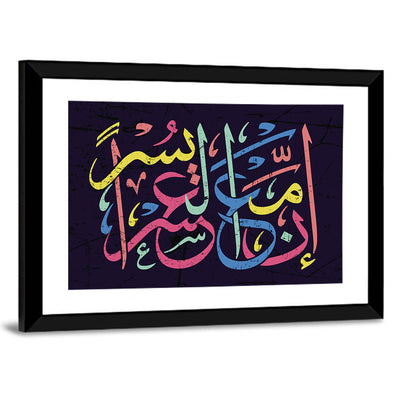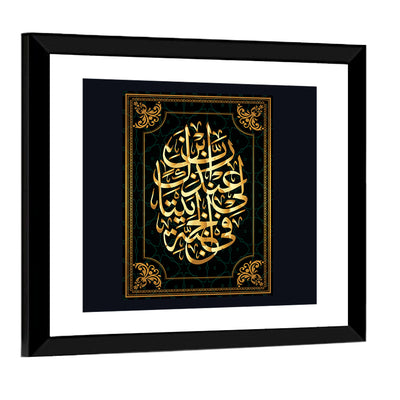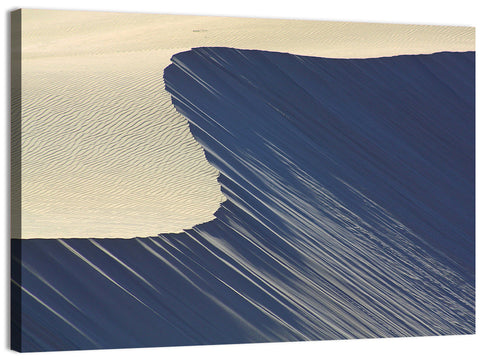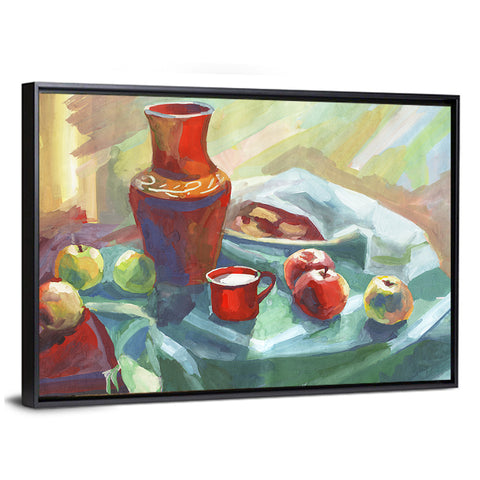




Good floating shelf decor follows one formula: one anchor piece of art, two or three objects at different heights, and empty space left on purpose. Lean a canvas print against the wall at the back, add a stack of books and a ceramic or plant in front, and fill no more than two thirds of the shelf length.
- "Floating shelves in living room" draws about 12,100 US searches a month, so the style is far from dated, but the styling has moved from crowded to edited.
- Fill about two thirds of each shelf and leave the last third empty, so the eye has somewhere to rest.
- Group objects in odd numbers, three or five, and vary their heights by at least 3 to 4 inches.
- A 12x12 to 16x16 inch square canvas leaning on a shelf or ledge makes a better anchor than a dozen small trinkets.
- Picture ledges let you swap art without new holes, while floating shelves suit objects, plants and books.
How Do You Decorate Floating Shelves So They Look Styled?
Start with one piece of art, then build around it. Lean a canvas print at the back of the shelf, set a stack of two or three books in front, and top it with a small object. Add one plant or ceramic on the side and stop. The art gives the shelf a focal point, so the rest can stay simple.
The common mistake is treating a shelf like storage with a nicer name. Shelves that read as styled hold fewer things than you expect: three to five items per 36 inch shelf, grouped, with gaps between the groups.

What Is the Rule for Floating Shelves?
Designers work with a few repeatable rules, and they hold up in almost any room. None of them is law, but together they stop a shelf from looking random.
- Fill about two thirds of the shelf length and leave the rest open.
- Group items in odd numbers: three or five reads as natural, two or four as stiff.
- Vary height. Pair one tall item (a 12 inch vase or a leaning canvas) with one medium and one low item (a stack of books).
- Mix at least three textures, for example ceramic, wood, paper and a living plant.
- Repeat one color from the art in two other objects on the wall.
- Keep the center of the shelf group at roughly eye level, 57 to 60 inches from the floor, when the shelf is the main feature of the wall.
Pro tip: Photograph the shelf with your phone before you leave it. Photos flatten a room, and clutter you stopped seeing shows up at once.
Are Floating Shelves Out of Style in 2026?
No. Floating shelves are one of the most searched wall features in the US, with "floating shelves in living room" at about 12,100 searches a month and "floating shelf decor" at about 2,900 in October 2026, according to DataForSEO. What has dated is the packed look: rows of identical frames, faux greenery and word signs.
The current look is edited. Fewer objects, more negative space, natural wood or white shelves, and one real piece of art. If you want a quiet, uncluttered finish, our minimalist wall art pairs with that approach.

Which Art Works Best on Floating Shelves and Picture Ledges?
Choose art that is light and deep enough to stand on its own. A lean-on canvas print needs no frame, hangs from nothing and can be swapped in seconds. Square and portrait shapes fit shelves best because they stand up without tipping and leave room beside them.
| Shelf type | Typical depth | Best art shape | Size to try |
|---|---|---|---|
| Floating shelf, books and objects | 8 to 10 in | Square or portrait | 12x12 or 8x16 in |
| Picture ledge | 3 to 5 in | Landscape or square | 16x16 or 24x16 in |
| Mantel-style shelf | 6 to 8 in | Landscape or panoramic | 30x20 or 36x12 in |
| Narrow kitchen shelf | 6 in | Small square | 12x12 in |
For a ledge, overlap the pieces. Place a 24x16 inch landscape at the back, then a 12x12 inch square half in front of it. The overlap looks collected, while a row of equal frames looks like a shop display.
Watch out: Check the depth of your shelf before you buy. A canvas print is leaned, not placed flat, so the shelf must be deep enough to hold its base steadily. A ledge only 3 inches deep suits a lighter piece such as a small poster print.
How Do You Style a Floating Shelf Step by Step?
- Clear the shelf and wipe it down. Start empty every time.
- Place the art first, leaning it at the back, slightly off center.
- Add the tallest object on the opposite side from the art to balance the weight.
- Stack two or three books flat, then set a small object or a candle on top.
- Add a plant or something organic, such as a branch in a vase, to soften the lines.
- Step back 6 feet. Remove one item. Check that a third of the shelf is open.

Take a 36 inch floating oak shelf in a living room alcove. Two thirds of 36 inches is 24 inches of styling, so the open third is 12 inches. Lean a 12x12 inch square canvas at the left, stack two books 4 inches high beside it, and put a 10 inch ceramic vase to the right of the books. That group takes about 22 inches, and the remaining 14 inches stays empty, so the shelf feels edited rather than full.
How Do You Decorate Floating Shelves in the Living Room, Kitchen and Bedroom?
Living Room
Two or three shelves stacked 12 to 16 inches apart look best, and a staggered arrangement avoids the rigid look. Put the heaviest visual item, usually the art, on the middle shelf. If the shelves sit beside a screen, our notes on lighting wall art help you avoid glare.
Kitchen
Kitchen shelves work hardest, so keep the art small and the objects practical: a cutting board leaning on the wall, three matching bowls and a square canvas of a still life. Keep prints away from the stove, where grease and steam collect.

Bedroom
Bedrooms suit one shelf over a desk or dresser rather than a wall of them. A portrait canvas such as a botanical arch, a small lamp and a stack of two books keep the shelf calm enough to sleep beside.
What Are Three Effective Placement Ideas for Floating Shelves?
Three placements work in nearly every home: above a sofa or bed, in an alcove, and beside a doorway or window. Each fills a gap that art alone would leave awkward.
Above a sofa, hang a single 36 to 48 inch shelf with a 6 to 10 inch gap above the sofa back, which keeps it from feeling like a headboard of clutter. In an alcove, run two or three shelves to the full width so the recess looks built in. Beside a window, a narrow 24 inch shelf at eye level balances the light without competing with the view. If you want a bolder feature over a shelf, a single large square canvas print hung above it ties the whole wall together.

Shelves also pair well with a larger wall plan. Our guide to designing a gallery wall layout covers spacing, and the same 2 to 3 inch gaps apply between separate pieces on a ledge.
How Do You Hang a Shelf and Art Without Damaging the Wall?
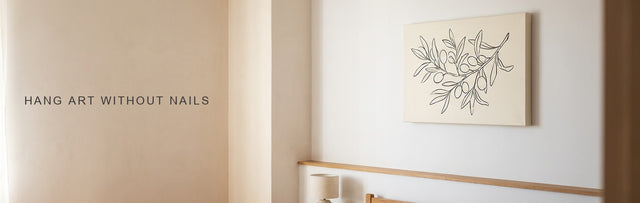
Use a stud finder and fix the shelf bracket into at least one stud or a rated wall anchor. Books are heavy, so drywall alone is not enough, and the shelf maker's rated load tells you how much to stack. Art that leans needs no hardware at all, which is why it suits rentals. For hanging art without nails, see our guide to displaying wall art without nails.
Every piece is printed to order and ships free across the US. A square or portrait canvas print gives a shelf its anchor.
Square canvas prints Minimalist wall art Botanical wall art Wall art posters
Quick answers
Common Questions
How can I decorate my floating shelves?
Lean one piece of art at the back, add a stack of books and one tall object, then finish with a plant or ceramic. Keep to three to five items per 36 inch shelf and leave about a third of the length empty. Vary heights by 3 to 4 inches and repeat one color from the art in another object.
How do you make floating shelves look nice?
Edit rather than add. Group items in odd numbers, mix textures such as wood, ceramic and greenery, and keep a clear gap between groups. A single leaning canvas print gives the shelf a focal point, and removing one item before you finish usually improves the result.
Are floating shelves dated?
No, the shelf itself is current. What looks dated is crowding it with identical frames, faux plants and word signs. Natural wood or white shelves with a few well-chosen objects and one real piece of art read as modern, which is why the style still draws about 12,100 US searches a month.
How high should floating shelves be above a sofa?
Hang the lowest shelf 6 to 10 inches above the sofa back so the two read as one grouping. For a typical sofa back at 34 inches, that puts the shelf between 40 and 44 inches from the floor. Keep the shelf width around two thirds to three quarters of the sofa width.
Can you put art on floating shelves?
Yes, and it works better than hanging art when you like to change things. Lean a canvas print or poster print against the wall, deep enough that it stands securely, and layer smaller objects in front. Square and portrait shapes stay upright most easily on an 8 to 10 inch shelf.