



The best meditation room ideas start with one calm piece of wall art, soft wall colors and warm light around it. Choose a lotus, mandala or water scene, keep the palette to two or three quiet tones, and hang the art lower than usual so it sits at your eye level when you are seated.
- A meditation wall needs very little: one piece of art with a still center, sized to the open wall and lit by a warm lamp on a dimmer.
- If you sit on the floor, hang art with its center near your seated eye level, often 40 to 48 inches from the floor, not the usual 57 to 60 inches.
- Sage green, beige, dusty blue and off-white keep visual noise low, and no color has a guaranteed effect on its own.
- Mandala means circle in Sanskrit, and mandalas and lotus flowers come from Hindu and Buddhist art, so hang them with care and at a respectful height.
- A 4 foot wall takes a piece 24 to 32 inches wide; a 6 foot wall takes 36 to 48 inches.
What Are the Best Meditation Room Ideas for Wall Art?
The best ideas remove things and keep one image. A meditation room works when the eye has nowhere to snag: a few soft colors, a lamp you can dim and a single piece of wall art to rest on. The art is the one item that sets the mood, so it gets the most thought.
Start by choosing the wall, not the style. A spare room, a bedroom corner, a window seat or a stretch of hallway all work if you can sit facing a clear wall for 10 to 20 minutes without being interrupted. Then choose the art in this order: subject, size, hanging height.

What Do You Need Around the Art in a Meditation Room?
You need one piece of art in your line of sight, a size that fits the open wall and a warm light beside it, and you leave the rest out. The list below covers the wall; most people use five or six of these items and stop.
- One piece of wall art placed in your line of sight when you sit, with a still, low-contrast subject.
- A size set by the open wall, half to two thirds of its width, taken from the table in the small-room section below.
- A hanging height that puts the center of the art at your seated eye level, often 40 to 48 inches from the floor.
- A lamp with a warm bulb and a dimmer, placed beside the art in place of an overhead light, so the image reads softly.
- Sheer curtains that soften daylight without blocking it, so hard light does not glare across the art.
- A finish that suits the room: a Canvas Print arrives stretched over a solid wooden inner frame and ready to hang.
- Clear wall around the art, with no other pictures competing, so the eye has one place to rest.
Pro tip: Cut a sheet of paper to the size of the print you are considering and tape it to the wall. Sit in your usual spot for a few minutes before you order, and move the paper until it feels right.
How Do You Hang Art in a Meditation Room?
Pick the wall you face, sit in your usual position and mark your eye level before you hang anything. The whole job takes an afternoon, and the only purchase it requires is the art. Our guide to calming art for your walls explains what to look for in the image itself.
- Choose a wall you face from your seat, with a clear line of sight and open space for the art.
- Sit in your usual position and have a friend mark your eye level on the wall with a pencil dot.
- Pick a print with a still center, such as a lotus, a mandala or a lake, from the subjects below.
- Choose a print size from the table in the next section, set by the width of the open wall.
- Hang the center of the piece on the pencil mark and check it with a level.
- Add a warm lamp on a dimmer beside the art, then stop.
What Are Good Small Meditation Room Ideas?
In a small room, let one wall and one corner do all the work, and size the art to the wall, not to furniture. With no sofa or bed beneath it, hang a piece about half to two thirds the width of the open wall. A meditation corner in a bedroom can be as small as a cushion and one print on the wall in front of it, and a single piece keeps the corner apart from the busier bedroom.
| Space | Open wall width | Art width to aim for | Closest sizes |
|---|---|---|---|
| Window seat or nook | 36 in | 18 to 24 in | 20x20 or 24x24 square |
| Bedroom corner | 48 in | 24 to 32 in | 24x16 or 30x20 landscape, 24x24 square |
| Spare room wall | 72 in | 36 to 48 in | 36x24 or 48x32 landscape, 36x36 square |
| Wide wall behind a bench | 96 in | 48 to 64 in | 48x32 or 60x40 landscape, 60x20 panoramic |
| Strip between window and door | 30 in | 15 to 20 in | 12x24 or 20x40 portrait |
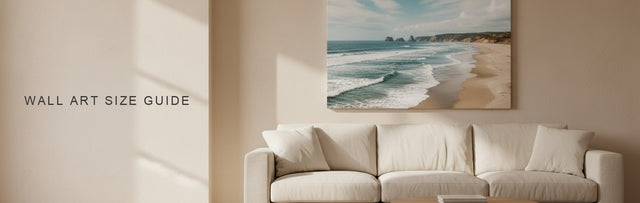
A square piece suits a nook because it adds height without width. For more on picking a size, see our wall art size guide.
Watch out: Do not hang art at the usual 57 to 60 inches if you sit on the floor. You will look up at it, and the calm pull of the image gets lost.
A bedroom corner has a 48 inch open wall. Half is 24 and two thirds is 32, so a 30x20 inch landscape fits at about 63 percent. You sit on the cushion and a friend marks your eye level on the wall at 42 inches. Hang the center there: the bottom edge lands at 32 inches and the top at 52 inches, clear of the cushion and the shelf beside it.

What Colors Are Best for Meditation Room Walls and Art?
Soft, low-contrast colors are best, and they matter most in the art: sage green, beige, dusty blue, off-white and pale gray. They keep the image quiet to look at, so the eye rests on the print instead of a busy wall. No color is guaranteed to calm everyone, and what works is the low contrast, not a magic hue.
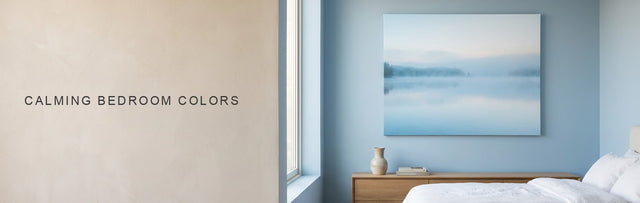
Choose the art first, then let the wall sit close to its palest tone. A green lotus pond print reads clearly against a pale sage or off-white wall, and a piece whose background matches the wall seems to belong to it. Our calming colors for bedroom walls guide has more pairings.
What Art Belongs in a Meditation Room?
Choose art with a still center and low contrast: a lotus, a mandala, a lake, a horizon or a lone figure in a landscape. Avoid busy collages and loud color. The sections below split the choice by subject.
Lotus Art
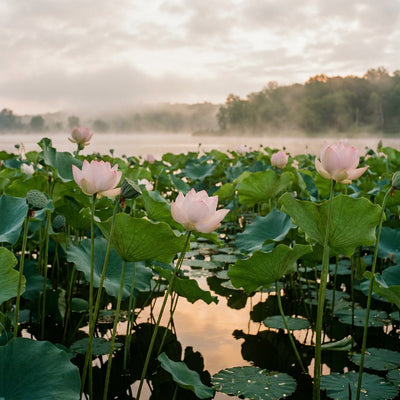
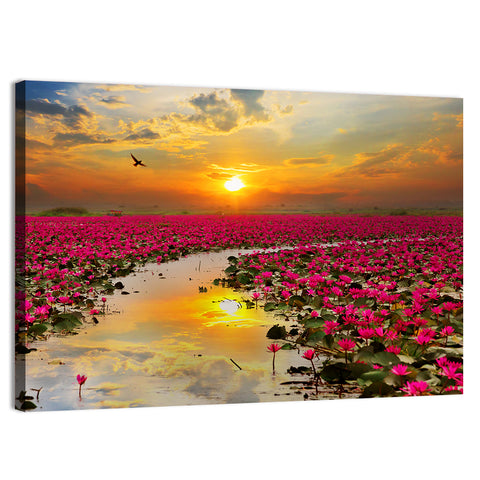
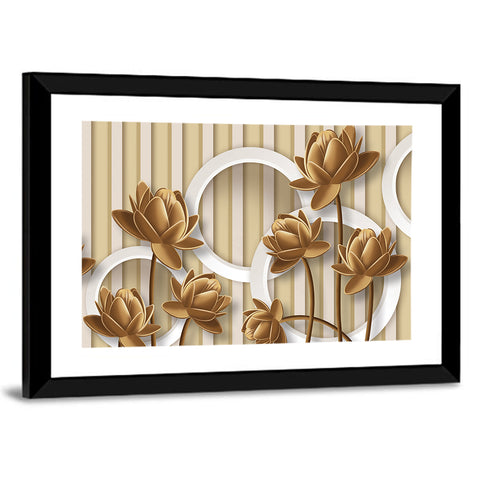
The lotus grows from muddy water and opens clean above it, which is why it appears often in Buddhist and Hindu art. A lotus field at golden hour or a single floating bloom is gentle and symmetrical. Browse lotus wall art for lotus fields and illustrated blooms.

Mandala Art
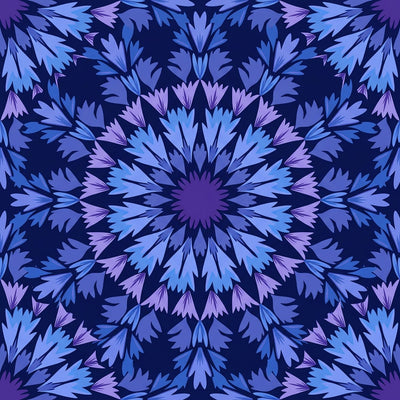
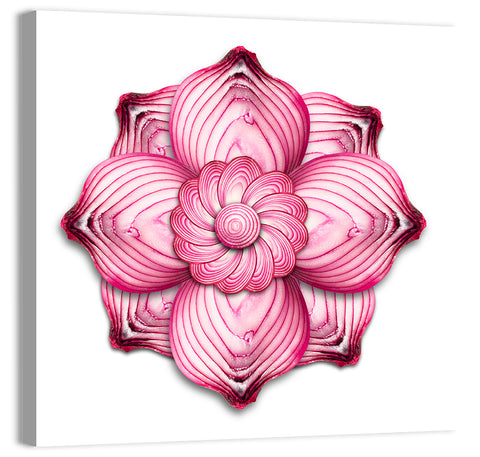
Mandala is the Sanskrit word for circle, and mandala patterns are used in both Hindu and Buddhist practice. A round, symmetrical design gives the eye a center to follow. Our mandala wall art includes floral and geometric patterns, and a square piece suits a nook.

Water and Landscape Art
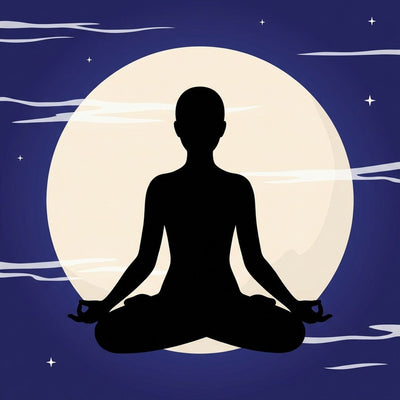
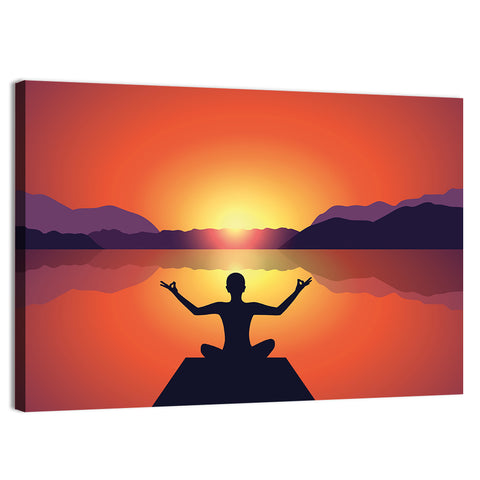
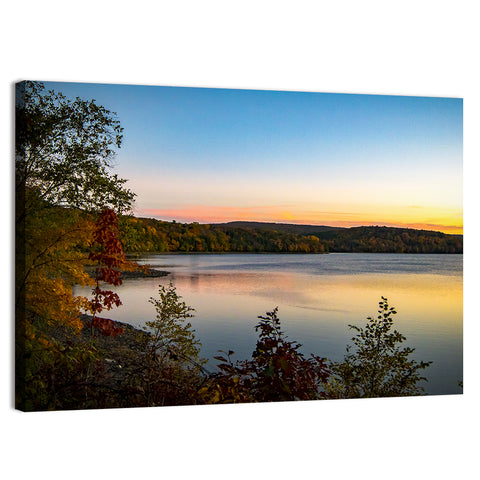
A lake at dusk, a calm shoreline or a long horizon suits people who find imagery of a person or a symbol too specific. Water wall art and nature wall art both fit. If you practice yoga in the same room, yoga wall art adds a figure in a pose.

How Do You Use Mandala and Lotus Art Respectfully?
Treat the imagery as coming from living traditions, and hang it with care. Many Buddhists keep images of the Buddha above waist height and away from floors and bathrooms, so avoid hanging such a piece low on a wall or in a bathroom. A lotus or mandala pattern is more general, but the same habit of hanging it at eye level or above is sensible.
If you are unsure what a tradition expects, ask a teacher or someone from that community, and choose the pattern or the landscape if you would rather not hang a figure. Art that you hang for its calm is welcome in a meditation room; claims about what it does for your practice are yours to make, not the print's.
How Do You Add Meditation Room Art on a Budget?
Buy one piece, not several, and size it to the open wall. A single 24x16 inch print on a 48 inch wall does the work a gallery wall would, and a single piece leaves the rest of the wall quiet. If you already own a frame that fits, the Poster Print finish is the unframed option and can go straight into it.
The art is the one item worth buying new, because it stays in your line of sight for every session. Ordered pieces reach the door in 8 to 10 business days with Free Shipping. Good lighting helps the image read; our wall art lighting guide shows where to place a lamp.
Every piece is printed to order and ships free across the US, in four finishes and four shapes. Measure your open wall first, then choose a size from the table above.
Lotus wall art Mandala wall art Water wall art Nature wall art
Quick answers
Common Questions
What art suits a meditation corner in a bedroom?
Choose one piece with a still center, such as a lotus, a mandala or a lake at dusk, and hang it on the wall in front of your cushion. A 24x16 or 30x20 inch landscape suits a 48 inch open wall, and a 24x24 square suits a nook. One piece keeps the corner apart from the busier bedroom.
What is the most calming color for meditation room art?
No single color calms everyone, but soft low-contrast colors work best: sage green, beige, dusty blue and off-white. Choose art in one of these tones and keep the wall close to it. Avoid strong contrast and busy patterns in the piece you face when you sit.
What size art suits a small meditation room?
Aim for half to two thirds of the open wall width. A 36 inch window seat wall takes 18 to 24 inches, a 48 inch bedroom corner takes 24 to 32 inches and a 72 inch spare room wall takes 36 to 48 inches. A square piece suits a nook because it adds height without adding width.
How high should art hang in a meditation room?
If you sit on the floor or a low cushion, hang the center of the art at your seated eye level, often 40 to 48 inches from the floor. If you sit on a chair, the usual 57 to 60 inches is closer. Sit in place and have someone mark the wall to be sure.
How do you light meditation room art?
Use warm, low light: a lamp with a 2700K bulb on a dimmer, or a table lamp with a shade, placed beside the art. Avoid a single overhead fixture, which flattens the room. Sheer curtains soften daylight during the day, and a lamp beside the art lets the image glow without glare.