



In a matte vs glossy poster choice, matte wins for rooms with bright light and for posters framed under glass, while glossy wins for saturated color and deep blacks in controlled light. Lustre, also sold as satin or semi-gloss, sits between the two: a slight sheen with far less glare than gloss.
- Matte paper scatters light, so it shows almost no glare and resists fingerprints.
- Glossy paper gives the strongest color contrast and the deepest blacks, but it reflects lamps and windows like a mirror.
- Lustre, satin and semi-gloss are labels for the middle finish: most of the color of gloss with much less reflection.
- Behind glass, matte is the safer choice, because a glossy surface adds a second reflection to the glass.
- A Poster Print arrives unframed, so decide on the finish and the frame together.
What Is the Difference Between a Matte and a Glossy Poster?
A glossy poster has a smooth, shiny surface that reflects light directly, while a matte poster has a flat surface with microscopic texture that scatters light in every direction. Gloss makes colors look richer and darker areas look deeper. Matte keeps colors a little softer and removes most of the reflection you see from lamps and windows.
Neither is better in general. The right finish depends on the image, the light in the room and whether the poster will sit under glass.

Matte vs Glossy Poster: How Do They Compare?
The table below compares the three finishes you see most often. Use it as a quick guide, then read the sections that follow for the reasons.
| Feature | Matte | Lustre (satin, semi-gloss) | Glossy |
|---|---|---|---|
| Surface | Flat, no shine | Slight sheen with fine texture | Smooth and shiny |
| Glare | Very low | Low to moderate | High under lamps and windows |
| Color and contrast | Softer, with more muted blacks | Rich color, good blacks | Most saturated, deepest blacks |
| Fingerprints | Hides them well | Shows some | Shows them easily |
| Behind glass | Best choice | Acceptable in soft light | Weakest choice: double reflection |
| Suits | Maps, text, black and white, bright rooms | Photography, mixed rooms | Vivid graphics, dim or controlled light |
Pro tip: Stand where you will usually look at the wall and check what the poster's spot reflects: a window, a lamp or nothing. If you can see a bulb or a window frame in a glossy surface, the finish will glare there.
Which Is Better, a Glossy or a Matte Poster?
Matte is better when the poster hangs where light hits it from the side or from a window, and glossy is better when you want the image to pop and the room light is soft. A map or a text-heavy design reads better on matte, because small type is hard to read through a reflection. A saturated sunset or a night city skyline gains from gloss.
Choose Matte for Maps, Text and Black and White
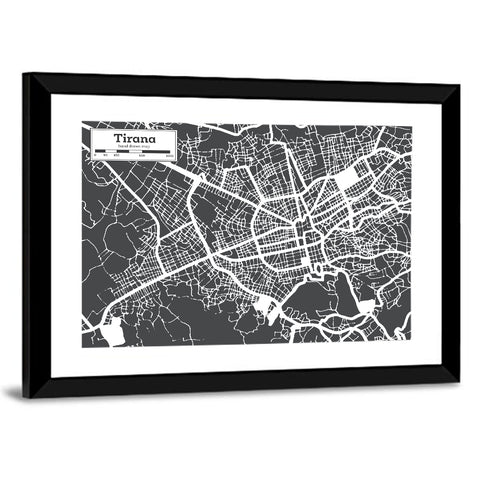
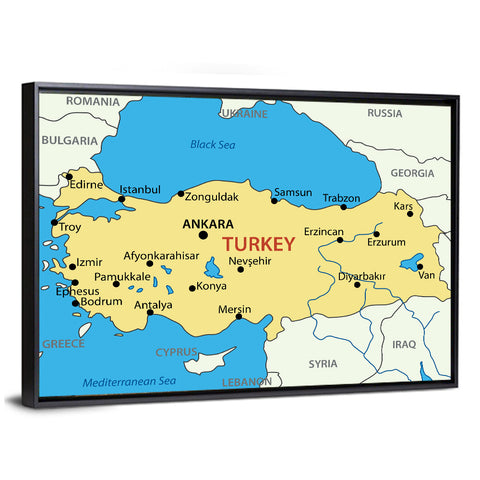
Fine lines and small labels need a surface without glare. A city map or a black and white photograph on matte stays readable from any angle in the room. Our city map wall art and map wall art are the kind of images that benefit.

Choose Glossy for Vivid Color in Soft Light
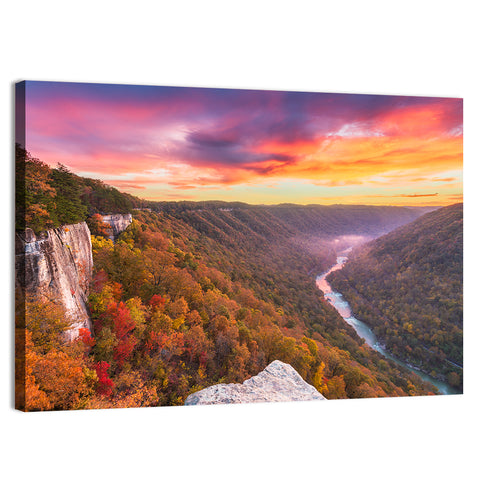
A poster of a bright sky or a colorful skyline can handle gloss in a room with curtains or lamps placed away from the wall. The deep darks make shadows and night scenes look more dramatic.
Choose Lustre When You Want Both
Lustre keeps most of the color depth of gloss and cuts the glare to something most rooms can live with. If you do not know the light in the room yet, it is the safest middle option.

Does a Glossy Poster Show Fingerprints and Glare?
Yes. Glossy surfaces show fingerprints, smudges and reflections far more than matte ones, and the glare is worst when a window or bulb sits at an angle to the wall. A poster on a hallway wall that people brush past will pick up marks on gloss, while matte hides them.
If the wall is opposite a window, a glossy poster turns the window into a bright patch on the print for much of the day. Our guide to lighting wall art explains how to move lamps so they miss the surface.
Watch out: A poster that looks fine in a shop under diffuse light can glare at home under a spot or a bare window. Check the finish against your own room, not a sample under shop lights.
You hang a 24x36 inch poster in portrait, centered 58 inches from the floor, so its top edge is at 76 inches. A ceiling lamp hangs 96 inches high and 36 inches from the wall, and you view the poster from 72 inches away at an eye height of 60 inches. The lamp's reflection lands on the wall at 84 inches, above the top edge, so the lamp is no problem even on a glossy surface. A window beside the poster is another matter, because its reflection lands at poster height, and that favors matte.
Should You Frame a Matte or a Glossy Poster Behind Glass?
Frame a matte poster behind glass whenever you can. Glass already reflects the room, and a glossy print under it adds a second reflection, which makes the image hard to see from many angles. A matte surface stays flat and readable behind the glass.
A Poster Print arrives unframed, so you choose the frame yourself, and the finish and the frame work together. If you want a framed piece ready to hang, see our guide to frame types, or compare the options in our canvas vs framed print post.

What Are the Different Types of Poster Finishes and Materials?
Posters come in three common finishes, matte, lustre and gloss, and a few other surfaces such as satin and metallic. Satin and lustre are close, and sellers use the names loosely; a metallic finish adds a pearl-like shine and is a separate category. Paper is the base of all of them.
- Note where the poster will hang and which window or lamp faces it.
- Decide whether it goes under glass. If yes, choose matte or lustre.
- If the image is a map, text or black and white, choose matte.
- If the image is vivid and the light is soft, choose gloss or lustre.
- Pick the size, then the frame, and hang the center at 57 to 60 inches from the floor.
What Makes a Poster Stand Out on a Wall?
Size and a clear subject make a poster stand out more than finish does. A 36x24 inch landscape or a 54x36 inch poster has more presence than a small one, and a panoramic poster draws the eye along the wall. Choose an image with one strong focal point, and give it plain wall around it.
See how large to go in our wall art size guide. Landscape posters come in sizes up to 54x36 inches.

Every piece is printed to order and ships free across the US, in four finishes and four shapes. Start with the image, then choose the finish that suits your light.
City map wall art Map wall art Travel wall art Panoramic wall art
Quick answers
Common Questions
What is the difference between glossy and matte print?
A glossy print has a shiny, smooth surface that reflects light, which gives stronger color and deeper blacks. A matte print has a flat surface that scatters light, which reduces glare and fingerprints but softens contrast a little. Glossy suits vivid images in soft light, and matte suits text, maps and rooms with bright windows.
Which is best, glossy or matte?
Neither wins in every case. Choose matte for bright rooms, for maps and text, and for any poster going behind glass. Choose glossy when you want the strongest color and the room light is controlled. If you are unsure, lustre gives most of the color of gloss with far less glare, so it fits most rooms.
What material is best for a poster?
Paper is the standard material, and the surface finish matters more than the base. Pick matte for glare control, lustre for a balance of color and calm, and gloss for the most vivid color. A poster needs a frame or a hanging method, and a Poster Print from CanvasPiece arrives unframed.
What are the different types of poster materials?
Posters are mostly printed on paper in matte, lustre or glossy finishes, with satin and metallic as related options. Canvas is a different product, a stretched fabric surface with its own texture, sold as a canvas print. The finish changes glare and color; the material changes texture and how you hang it.
Are glossy posters worse behind glass?
Yes, usually. Glass reflects the room, and a glossy surface adds its own reflection under it, so the image can look washed out from many angles. A matte poster behind glass stays clear. If you want a glossy look, hang the poster unframed or use a frame without glass.